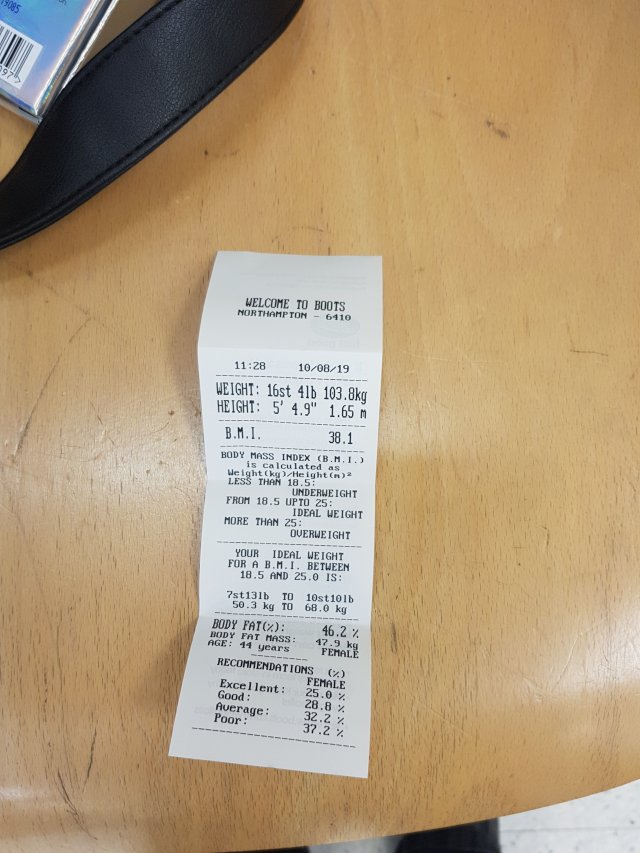
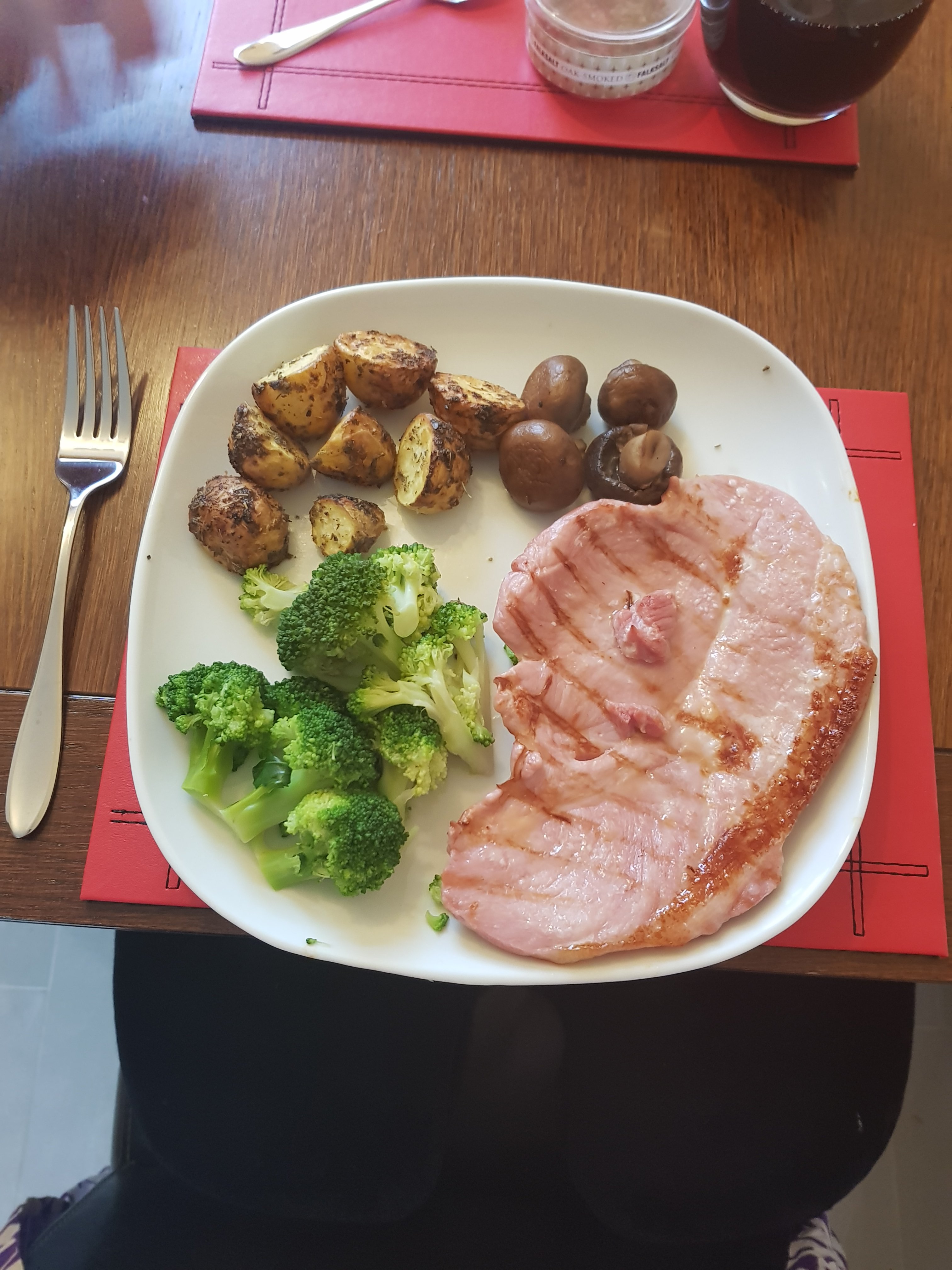
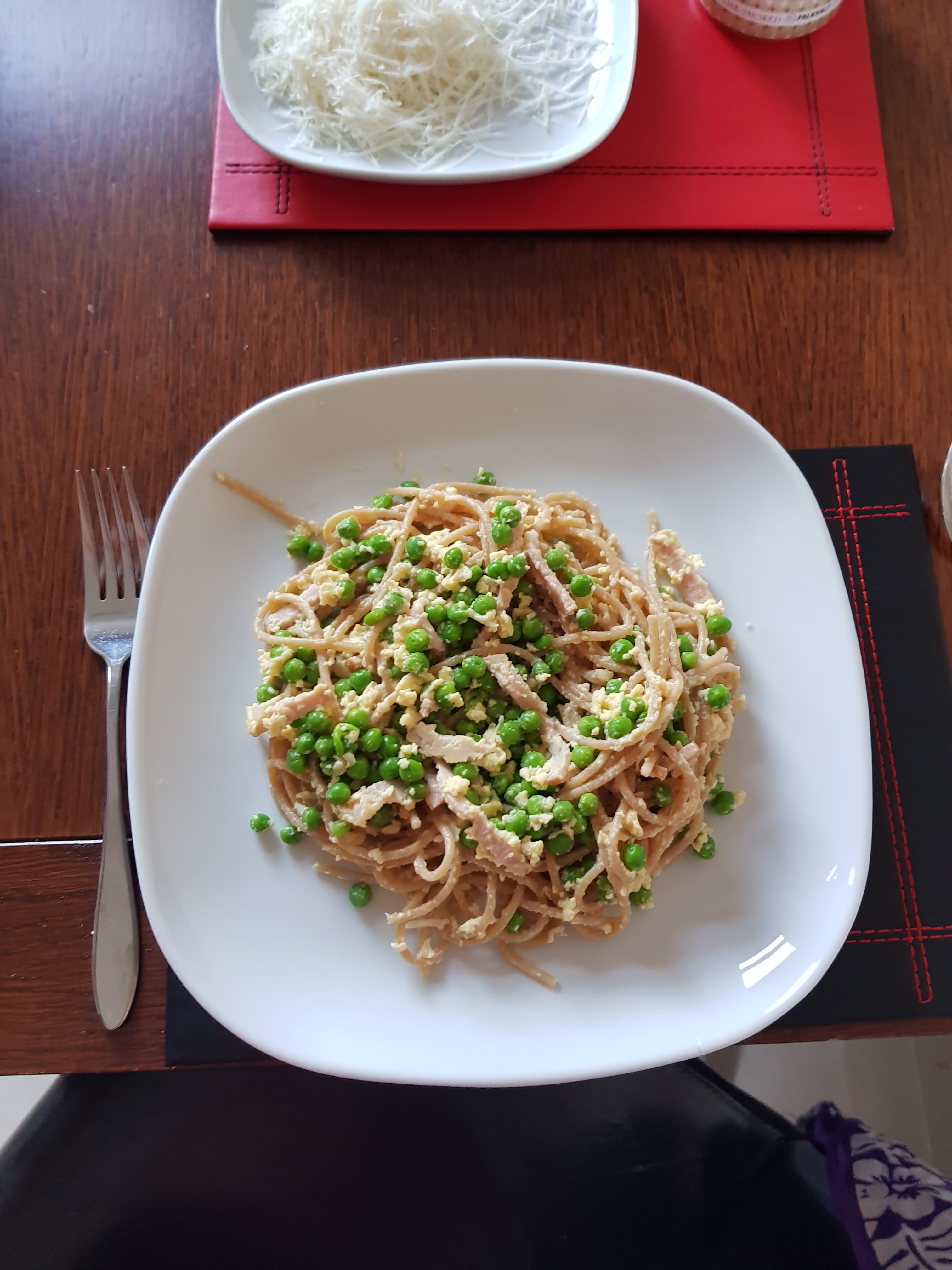
Ok, so I do have a habit of over stuffing the plate! I can’t bear the thought of not serving up enough dinner, and this has led me to overfeeding myself and my family.
In the ongoing efforts to improve myself I thought I really should look into portion control. I used the following website for the bulk of information: https://www.bupa.co.uk/health-information/nutrition-diet/portion-size
For my diet, I think I need to adjust the starch element – shouldn’t be too hard – I love my bread! Salad sarnies – WOOHOO! I was also worried I wasn’t getting enough protein – especially as the recommended allowance is for skinnier people (apparently we need 0.36g of protein for every 1lb we weight), but it turns out I’m having 2 portions of protein before I’ve even hit lunchtime! And then there’s dairy – so, other than cheese, I’m not a dairy type person – don’t think I have a problem with it, I’m just not keen. So, i’ll try to increase this with yoghurt. Will have to be from next week now though.
Anyway, It was quite an eye opener for me doing this little bit of research, found it very interesting, hope you glean some snippets of interest too 🙂
Starches
3-5 portions a day (men upto 50 can have upto 7)
Starchy foods are an important source of energy. After they are eaten, they are broken down into glucose, which is the body’s main fuel, especially for our brain and muscles. Starchy foods provide important nutrients to the diet including B vitamins, iron, calcium and folate. https://www.nutrition.org.uk/healthyliving/basics/carbs.html
Portions per day – 3-5 portions a day, men upto age 50 can have upto 7 portions
- 40g cerial (about 6 tablespoons
- 2 slices of bread
- 1 bread roll or bagel
- 1 pitta bread
- 5ish egg sized potatoes
- 1 medium jacket spud with skin
Choose healthy options, ie fortified non sweetened cereals, wholewheat pastas and breads.
Proteins
2 portions a day
Proteins are fundamental structural and functional elements within every cell of the body and are involved in a wide range of metabolic interactions. All cells and tissues contain protein, therefore protein is essential for growth and repair and the maintenance of good health. Protein provides the body with approximately 10 to 15% of its dietary energy and it is the second most abundant compound in the body, following water. A large proportion of this will be muscle (43% on average) with significant proportions being present in skin (15%) and blood (16%). https://www.nutrition.org.uk/nutritionscience/nutrients-food-and-ingredients/protein.html
Portions – 2 portions a day
- 60-90g cooked meat (about the size of a deck of cards)
- 140g cooked fish (size of the palm of your hand)
- 2 medium eggs
- 200g tin of baked beans (small tin)
- 4 tbsp lentils
- 1 tbsp peanut butter
- 1 handful of nuts
Go for lean meats such as chicken or turkey, without the skin.
Try to stay away from processed meats such as bacon or sausages – but as and if you do have them, go for healthier options from supermarkets (I buy cumberland style veggie sausages sometimes – very nice)
Aim for 2 portions of fish a week, one of which should be oily – high in omega 3 – salmon or mackerel for instance.
Try to limit red meat to once a week – better for our bodies and the environment.
Go for unroasted/unsalted nuts.
Diary
3 portions a day
Consuming dairy products provides health benefits – especially improved bone health. Foods in the Dairy Group provide nutrients that are vital for health and maintenance of your body. These nutrients include calcium, potassium, vitamin D, and protein. https://www.choosemyplate.gov/dairy-nutrients-health
- 200ml milk, including fortified soya, rice or oat milk
- 125ml yoghurt
- 30g hard cheese (size of small matchbox. grated cheese goes further)
Go for healthier options, for instance semi-skimmed milk instead of full fat, and reduced fat cheddar.
Fruit and Veg
5-7 portions a day
Fruit and vegetables are a good source of vitamins and minerals, including folate, vitamin C and potassium. They’re an excellent source of dietary fibre, which can help to maintain a healthy gut and prevent constipation and other digestion problems. A diet high in fibre can also reduce your risk of bowel cancer. https://www.nhs.uk/live-well/eat-well/why-5-a-day/
Each portion should be about 80g each. 150ml of fruit counts as 1 portion – no more counts towards your five a day. 30g of dried fruit counts as 1 portion.
- 1 medium fruit – apple, orange, pear, banana
- 2 small fruit – kiwi, satsuma, plums
- 2 large slices of larger fruit – pineapple, mango
- 1 large handful of grapes or berries
- 3 heaped tbsp small veg – peas, sweetcorn, carrols
- 150ml fruit juice or smoothie – anymore can not be counted towards your daily intake
- 30g dried fruit
- 3 heaped tbsp of beans or lentils – anymore can not be counted towards your daily intake
Oils and Spreads
- Use all oils and spreads sparingly – buy 1cal spray – very handy – if not, buy cheap spray bottle and decant veg oil into it – this helps control the oil tippage!
Water
- try to drink 2 litres a day (more if exercising), water is best, but teas, coffees, squashes all count.
There’s loads of foods out there to enjoy, hopefully this will be useful to me, and to you 🙂



 Trying to lose!